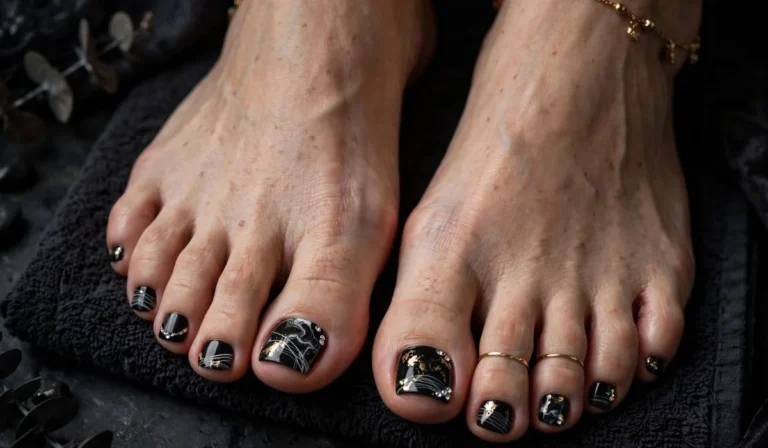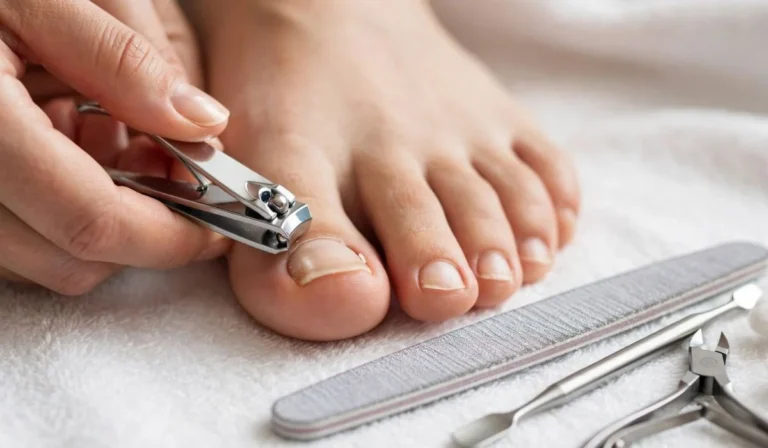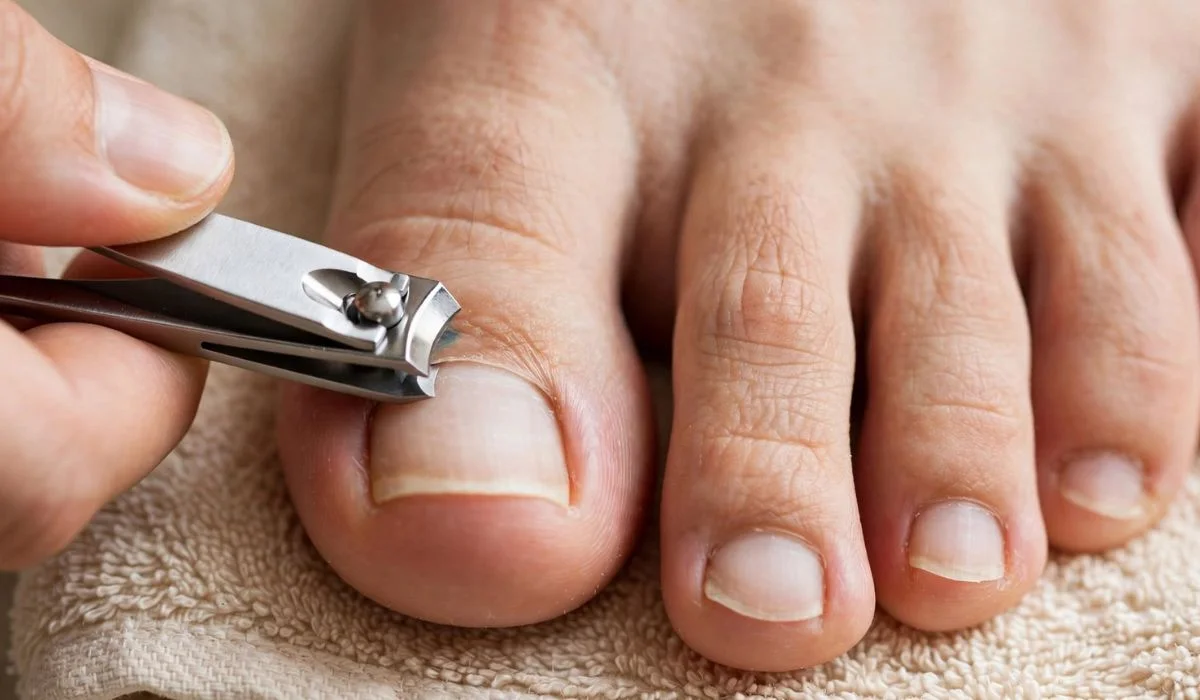
How To Cut Toe Nails Pedicures | Easy Steps for a Safe, Clean Trim
Knowing how to cut toenails correctly is one of the most important parts of a good pedicure. Toenails do not need complicated techniques to look neat. The goal is to trim them to a comfortable length, create smooth edges, and avoid cutting too deeply into the corners.
A careful toenail-trimming routine can be done at home with a clean toenail clipper, a nail file, and a little patience. Whether you prefer short natural toenails, a French pedicure, or colorful seasonal polish, properly shaped nails create a cleaner foundation for the finished look.
Gather Your Toenail-Cutting Supplies:
Before starting, place all your supplies within reach. A simple setup is usually enough.
You may need:
- Toenail clippers
- Nail file
- Clean towel
- Warm water
- Mild soap
- Cuticle oil
- Foot moisturizer
- Nail polish remover
- Cotton pad
- Pumice stone, if needed for rough skin
The most important item is a clean, sturdy toenail clipper that gives you good control.
How To Cut Toe Nails Pedicures | Easy Steps for a Safe, Clean Trim:
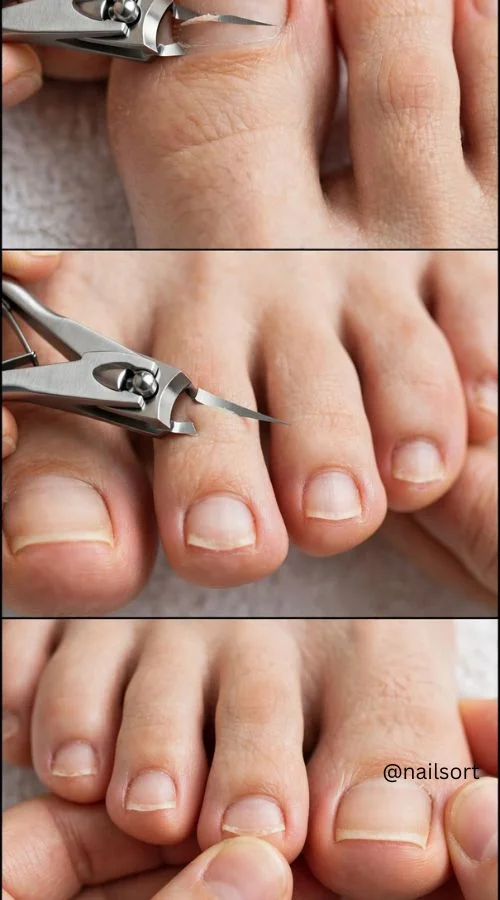

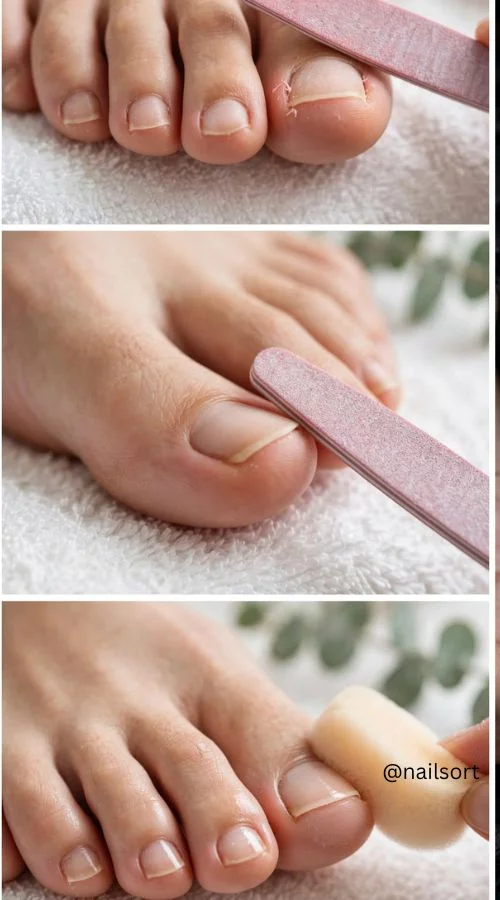

Clean Your Tools First
Wash reusable tools and clean them appropriately before using them. Allow them to dry completely.
Personal nail tools should not be casually shared because they can transfer microorganisms between people.
Wash Your Feet Before Trimming
Start by washing your feet with warm water and mild soap.
Clean around the toenails, underneath the toes, the soles, and between the toes.
Dry your feet carefully with a clean towel.
Should You Cut Wet or Dry Toenails?
A short warm soak can soften the surrounding skin and make a pedicure more comfortable. However, it is useful to dry the feet before clipping so you can see the nail clearly and maintain better control.
If your toenails are naturally very hard or thick, a brief soak can make trimming easier.
Remove Old Toenail Polish
If your toenails are painted, remove the polish before cutting them.
Use a cotton pad with nail polish remover and gently clean each nail.
Why Remove Polish First?
Natural nails are easier to inspect when they are free from color. You can see the actual nail edge, corners, and surrounding skin more clearly.
This is particularly useful if you notice a change in the nail that should not simply be covered with another layer of polish.
Find the Right Toenail Length
Do not begin cutting simply because the nails look long. First decide how much length actually needs to be removed.
Toenails should generally be kept at a practical length rather than cut extremely short.
Leave a Small Edge
Avoid trimming the nail all the way down to the skin.
Leaving a small amount of nail extending beyond the toe can provide a comfortable margin and makes it easier to shape the edge without cutting too deeply.
Cut Toenails Straight Across
One of the simplest principles of toenail trimming is to avoid dramatically rounding the nail corners.
Position the clipper near the edge and make small, controlled cuts across the nail.
Use Several Small Cuts
Instead of trying to cut a thick toenail in one large motion, make several smaller clips.
This gives you greater control and can help prevent the nail from splitting or cracking.
Work from one side toward the other rather than repeatedly squeezing the same section.
Don’t Dig Into the Corners
The corners of toenails should not be aggressively cut down into the skin.
It can be tempting to create a deeply rounded shape, particularly if you are trying to copy the appearance of fingernails. However, toenails are generally better kept with a relatively straight edge.
Why the Corners Matter
Cutting deeply into the sides can irritate the surrounding skin. Leaving the corners intact helps preserve the natural structure of the nail edge.
If a corner feels sharp after trimming, use a nail file rather than cutting farther into the side.
Check the Nail After Every Few Cuts
Pause occasionally and look at the nail from above.
Check whether:
- The edge is even
- The nail is still long enough
- The corners remain comfortable
- No piece of nail is sticking upward
- The nail has not cracked
This takes only a few seconds but can prevent unnecessary trimming.
Read Next: How To Do Pedicure And Manicure | Easy At-Home Beauty Guide
File the Toenail Edges
Once the main length has been removed, use a nail file to smooth rough edges.
File gently rather than trying to change the entire nail shape.
Choose a Natural Shape
A natural, mostly straight toenail edge is easy to maintain.
You can slightly soften sharp corners with the file without creating a deep curve.
Avoid filing aggressively along the sides of the nail.
Handle Thick Toenails Carefully
Some toenails are naturally thicker than others. Repeated pressure from footwear, aging, previous nail damage, or other factors can affect nail thickness.
Don’t Force the Clippers
If a nail is difficult to cut, do not repeatedly squeeze a clipper with excessive force.
A quality toenail clipper designed for thicker nails can provide better control.
If a nail is unusually thick, painful, distorted, or difficult to manage, professional advice may be more appropriate than repeatedly trying to cut it at home.
Smooth the Skin Around the Nail
After trimming, apply a small amount of moisturizer or cuticle oil around the toenail.
Massage gently into the surrounding skin.
Avoid Aggressive Cuticle Cutting
There is usually no need to cut away all the skin around the toenail.
Keeping the surrounding skin moisturized can make the area look neat without excessive cutting.
Deal With Rough Skin Separately
Toenail trimming and heel care are two different parts of a pedicure.
If your feet have rough heels, use a gentle foot file or pumice stone separately.
Don’t Use a Blade on Calluses
Avoid cutting thick skin with razors, blades, or sharp objects.
A cosmetic pedicure should focus on gentle smoothing rather than removing large amounts of skin at once.
Clean Away Nail Clippings
After trimming, collect the nail pieces and dispose of them.
Clean the surrounding area and wash your hands afterward.
Keep Your Pedicure Area Clean
Do not leave nail clippings around a shared bathroom or workspace.
Wipe down the surface and clean your reusable tools after the pedicure.
Prepare Toenails for Polish
If you plan to apply polish, make sure the nails are clean and dry.
Any cream or cuticle oil on the nail surface can interfere with polish adhesion.
Use a Base Coat
A thin base coat can provide a smooth surface for your chosen color.
It may also help reduce staining from some highly pigmented polishes.
Choose a Toenail Style
Once the nails have been trimmed and shaped, you can finish your pedicure with any color or design you like.
Classic Natural Pedicure
Leave the nails bare and apply a clear or sheer coat for a clean appearance.
French Toenails
Use a neutral base followed by a thin white tip.
Bold Single Color
Red, burgundy, black, chocolate brown, pink, or deep plum can create a strong polished appearance.
Minimal Accent
Keep most toenails one color and add glitter or a small design to the big toenail.
Common Toenail-Cutting Mistakes
Even a simple task can go wrong when toenails are cut too quickly.
Cutting Too Short
Do not try to make the toenails disappear beneath the skin. Extremely short nails can become uncomfortable.
Rounding the Corners Too Much
Avoid carving deeply into both sides of the nail to create a curved shape.
Using Dull Clippers
A dull tool may require excessive pressure and can make clean trimming more difficult.
Cutting a Large Piece at Once
Large cuts can reduce control. Smaller cuts are generally easier to manage.
Picking at Nail Edges
If a small rough section remains, use a file rather than pulling or tearing it.
Toenail Facts Worth Knowing
Toenails are made primarily of keratin, a strong structural protein also present in hair and the outer layer of skin.
Toenails grow more slowly than fingernails. This means that changes in toenail length and appearance can take longer to become noticeable.
The big toenail is usually wider and stronger than the smaller toenails, so it may require a slightly different approach when trimming.
Toenails can be affected by pressure and friction from footwear, which is one reason comfortable shoes can be an important part of general foot care.
A cosmetic pedicure is intended for grooming. It should not be used as a substitute for medical evaluation of painful, infected, or significantly abnormal nails.
How Often Should You Cut Toenails?
There is no universal schedule because toenails grow at different rates.
Check your nails regularly and trim them when they become long enough to catch on socks, feel uncomfortable, or interfere with footwear.
Many people may need to trim toenails every few weeks, but your own growth rate should determine the timing.
What to Do After Cutting Your Toenails
After trimming, moisturize your feet, especially the heels and dry areas.
If you are not applying polish, your pedicure can be finished at this point.
If you are polishing your toenails, wait until the nail surface is clean and dry before beginning.
Give Your Feet a Break From Tight Shoes
If possible, avoid immediately putting freshly groomed feet into tight footwear.
Comfortable shoes and clean socks can help reduce unnecessary pressure and friction around the toes.
When You Should Not Cut a Toenail Yourself
Do not attempt to solve a serious nail problem simply by trimming it differently.
If you notice significant pain, swelling, drainage, an open wound, pronounced discoloration, or a major change in nail shape, consider professional medical advice.
People with medical conditions that affect sensation, circulation, or wound healing should also ask a healthcare professional about appropriate toenail-care techniques.
FAQs About Cutting Toenails for a Pedicure
Is It Better to Cut Toenails Straight Across?
Generally, keeping the main edge relatively straight is a simple and conservative way to trim toenails. The corners should not be deeply carved into the sides.
How Short Should I Cut My Toenails?
Keep them at a comfortable length with a small amount of nail extending beyond the toe. Avoid cutting directly down to the skin.
Should I Soak My Feet Before Cutting Toenails?
A short warm soak can soften the surrounding skin and make foot care more comfortable. Drying the feet before clipping can make the nail easier to see and control.
Can I Use Regular Fingernail Clippers on My Toes?
Toenail clippers are generally designed with a wider cutting area and can provide better control for toenails. Choose a clean tool that comfortably handles the nail thickness.
Why Shouldn’t I Cut Deep Into the Toenail Corners?
Deeply cutting the corners can irritate the surrounding skin. It is generally better to keep the edge natural and use a file to smooth minor sharpness.
How Do I Cut Thick Toenails?
Make small, controlled cuts rather than forcing the clipper through the entire nail at once. If a nail is unusually thick, painful, or difficult to manage, seek professional advice.
Should I Cut My Toenails Before or After a Pedicure?
You can trim them during the pedicure after cleaning and briefly softening the feet. The important point is to have clear visibility and good control when clipping.
Can I File Instead of Cutting My Toenails?
Yes. A nail file can remove small amounts of length and smooth the edges. However, very long toenails may be easier to shorten with a suitable clipper first.
Should I Cut Toenail Cuticles?
Avoid aggressive cutting of the surrounding cuticle tissue. Moisturizing and gently pushing back excess tissue, when appropriate, is a more conservative approach.
How Often Should I Trim My Toenails?
Trim them when they become too long or uncomfortable. Many people need to trim every few weeks, but toenail growth varies.
Can I Paint My Toenails Immediately After Cutting Them?
Yes, provided the nail surface is clean and dry and the surrounding skin is not irritated. Remove oily residue before applying polish.
What Should I Do If I Accidentally Cut the Skin?
Stop trimming and gently clean the area. Avoid applying nail polish over an open or irritated area until it has healed.
Proper toenail trimming is a small step that can make a major difference in the appearance of a pedicure. Keep the length practical, cut with controlled movements, avoid deeply rounding the corners, and use a file for the final smoothing. When combined with regular moisturizing and gentle foot care, these simple habits can help keep your feet looking neat and well maintained.