How To Pedicures | Easy Step-by-Step Guide for Beautiful Feet
A good pedicure can make your feet look cleaner, smoother, and more polished without requiring a salon appointment. Learning how to pedicure at home is also a simple way to build a regular foot-care routine using basic supplies you may already have.
A home pedicure is more than applying nail polish. Proper foot care includes cleaning the feet, softening dry skin, shaping the toenails, caring for the cuticle area, exfoliating rough areas, moisturizing, and finishing with polish if desired. The key is to be gentle rather than trying to remove every bit of rough skin.
Start With a Clean Pedicure Setup
Before touching your feet, prepare everything you need. Having your supplies nearby makes the process easier and helps you avoid rushing halfway through the pedicure.
Basic Supplies for a Home Pedicure
You can prepare a simple kit with:
- Nail polish remover
- Cotton pads or cotton balls
- Nail clippers
- Nail file
- Small basin or foot tub
- Warm water
- Mild soap
- Foot scrub
- Pumice stone or gentle foot file
- Cuticle pusher
- Cuticle oil or moisturizer
- Foot cream
- Base coat
- Toenail polish
- Top coat
- Clean towel
You do not need expensive equipment for a basic pedicure. Clean tools and careful technique are much more important.
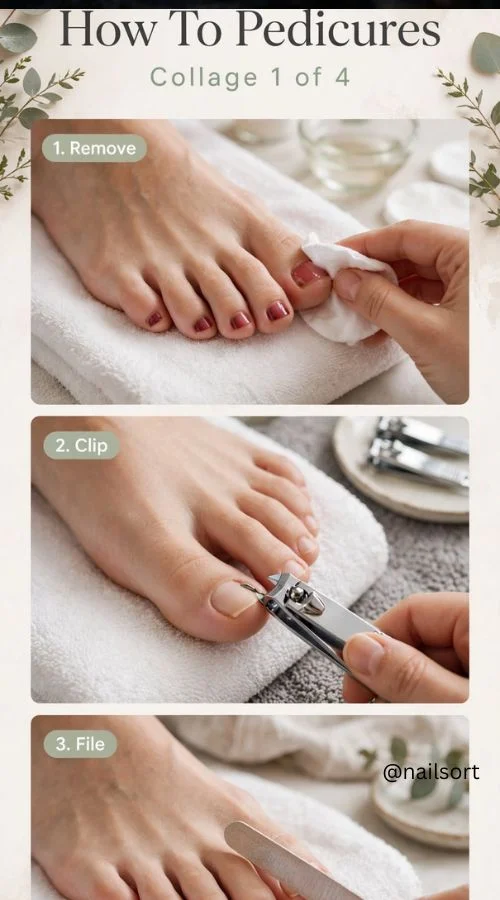
How To Pedicures | Easy Step-by-Step Guide for Beautiful Feet:


Remove Existing Toenail Polish
If your toenails already have polish, remove it before soaking your feet. This allows you to see the natural condition of the nails and makes trimming and shaping easier.
Choose a Gentle Removal Method
Apply nail polish remover to a cotton pad and hold it against the nail for several seconds before wiping. This can help loosen stubborn polish without excessive rubbing.
If you are using dark polish, check the edges and corners of each toenail because leftover pigment can make the nails appear stained.
Wash Your Feet Before the Pedicure
Start with clean feet. Wash them with warm water and mild soap, paying attention to the soles, heels, spaces around the toes, and between the toes.
Rinse thoroughly and dry with a clean towel.
Why Cleaning Matters
Feet spend much of the day inside shoes and socks, where warmth and moisture can accumulate. Cleaning the feet before a pedicure removes everyday dirt and helps create a cleaner surface for the rest of your routine.
Do not leave the skin between your toes damp after washing.
Give Your Feet a Short Warm Soak
Fill a basin with comfortably warm water and soak your feet for around 5 to 10 minutes.
The purpose is to soften the skin and make the next steps more comfortable. The water should feel warm rather than painfully hot.
Optional Foot Soak Ideas
For a simple home routine, you can add a small amount of mild bath soap to the water.
You can also keep the soak completely plain. You do not need complicated ingredients for an effective pedicure.
Avoid extremely hot water, particularly if your feet are sensitive to heat.
Trim Your Toenails Carefully
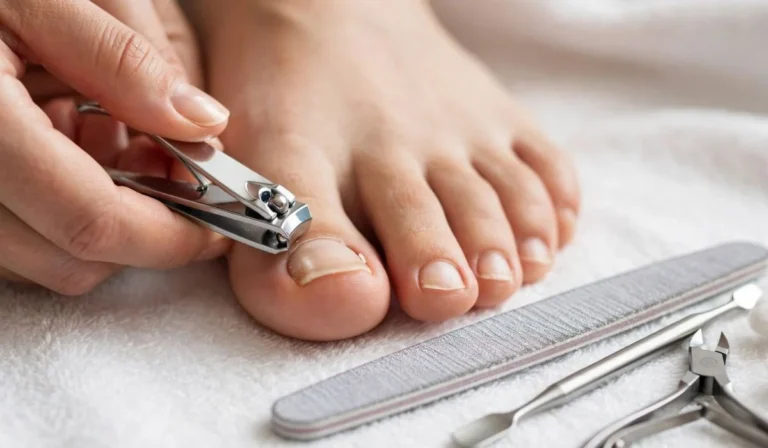
After soaking, gently dry your feet before trimming. Toenails should generally be trimmed straight across rather than deeply rounded at the corners.
How Short Should Toenails Be?
Leave a small amount of nail extending beyond the skin. Cutting the nail extremely short can make the toe uncomfortable and may increase the chance of irritation.
Use clean toenail clippers and make controlled cuts instead of trying to remove the entire nail in one large clip.
Shape the Edges With a Nail File
A nail file can smooth sharp edges left after clipping.
File gently in one direction or use controlled strokes without aggressively thinning the nail.
Keep the Natural Shape
Toenails do not need to be perfectly square or dramatically rounded. A natural, comfortable shape usually works best.
Pay special attention to sharp corners that could catch on socks.
Soften the Cuticle Area
The skin around the base of the toenail helps protect the nail area. Instead of aggressively cutting the cuticles, soften them and gently push back excess skin when appropriate.
A Gentler Cuticle Routine
Apply a small amount of cuticle oil or moisturizer. Allow it to sit briefly, then use a clean cuticle pusher gently.
Do not force the tool underneath the skin or cut living tissue.
The goal is neat-looking nails, not completely removing the protective skin around them.
Exfoliate Rough Foot Skin
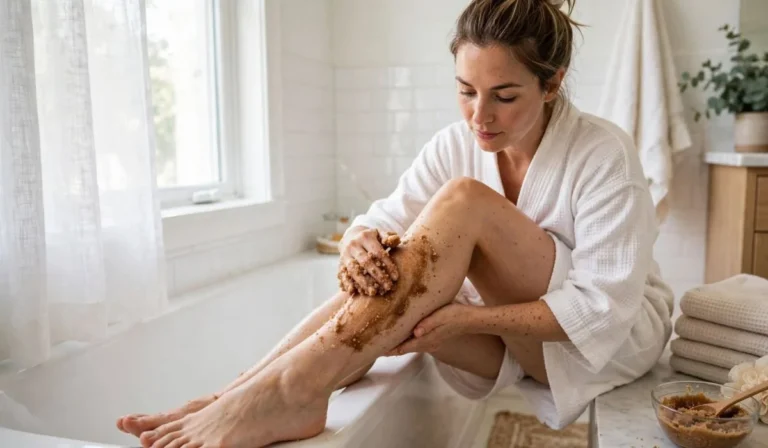
Now turn your attention to the rest of your feet. Apply a foot scrub to the soles and massage gently, concentrating on areas that commonly become rough.
The heels and balls of the feet often need more attention because they experience repeated pressure and friction.
Easy DIY Foot Scrub
For a simple homemade option, combine a small amount of sugar with a moisturizing ingredient such as plain body lotion or a suitable skin moisturizer.
Massage gently for a short time and rinse well.
There is no need to scrub aggressively. Excessive exfoliation can leave the skin irritated instead of smooth.
Work on Dry Heels Without Overdoing It
A pumice stone or gentle foot file can be useful for areas of thick, rough skin.
Use it lightly on softened skin rather than repeatedly filing the same area.
What Not to Do With Calluses
Do not use razors, blades, or sharp objects to cut away callused skin during a cosmetic pedicure.
Calluses develop partly because the skin is responding to repeated pressure or friction. Removing too much skin can make the area uncomfortable and may increase the risk of injury.
Rinse and Dry Your Feet Completely
After exfoliation, rinse away the scrub and dead skin particles.
Dry your feet carefully with a clean towel.
Remember the Spaces Between Your Toes
The skin between the toes should be dried particularly well. Leaving moisture trapped there can contribute to skin problems.
This small step is easy to overlook but important in a regular foot-care routine.
Apply a Rich Moisturizer
Massage moisturizer into the heels, soles, sides of the feet, and other dry areas.
A thicker foot cream can be especially useful for rough heels.
Overnight Moisturizing Trick
For extra dry feet, apply a generous layer of foot cream before bedtime and wear clean cotton socks.
This gives the moisturizer more time to remain against the skin.
Avoid putting a heavy layer of moisturizer between the toes if that area tends to stay damp.
Prepare the Toenails for Polish
If you want to apply nail polish, make sure the nail surface is clean and dry.
Any oily residue from cream or cuticle oil can interfere with polish adhesion.
Use a cotton pad with a small amount of polish remover to gently clean the nail plate if necessary.
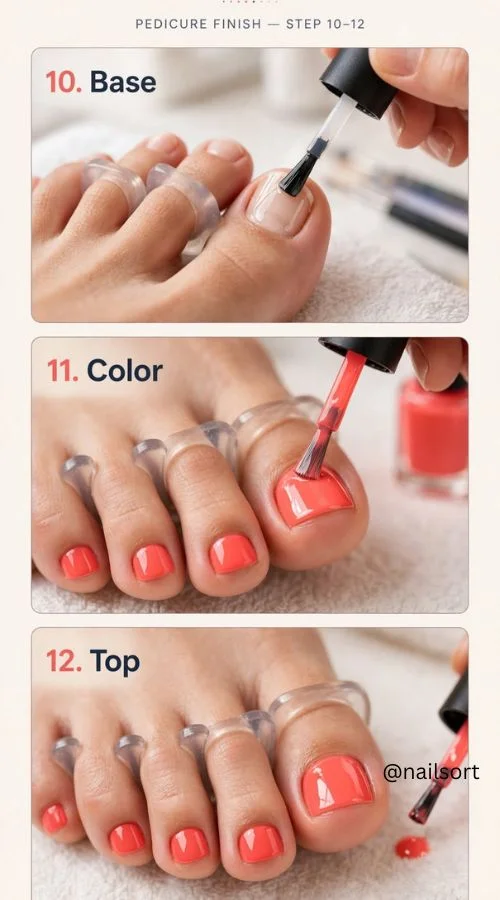
Apply a Base Coat
A thin base coat creates a smoother surface for color and can help your manicure look more even.
Allow it to dry according to the product instructions before applying color.
Why Thin Layers Work Better
Applying several thick layers can make toenail polish take longer to dry and may cause smudging.
Thin coats generally provide better control and make it easier to build the desired color gradually.
Add Your Favorite Toenail Color
Choose one color or create a simple design.
Classic options include:
- Soft pink
- Nude
- White
- Red
- Burgundy
- Chocolate brown
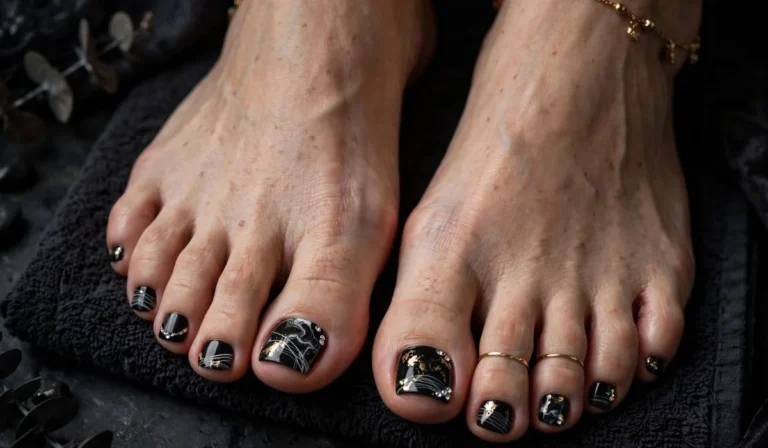
- Black
- Lavender
- Baby blue
- Coral
Seasonal shades can also change the appearance of a basic pedicure without changing the technique.
Try Simple Pedicure Designs
You do not need professional nail-art equipment to create attractive toenails.
French Tip Pedicure
Apply a neutral base and add a thin white tip. A modern French pedicure can also use colored tips instead of traditional white.
Minimal Dot Design
Paint the nails with a solid color and add one or two tiny dots near the base of each nail.
Two-Tone Pedicure
Use one shade on the big toenail and a complementary shade on the smaller toenails.
Glitter Accent
Apply glitter only to the big toenail while keeping the other nails simple.
This creates a decorative look without requiring complicated nail art.
Finish With a Top Coat
Once the color has dried sufficiently, apply a thin top coat.
A top coat can add shine and provide an additional protective layer over the polish.
Give the Polish Enough Drying Time
Avoid immediately putting on tight socks or shoes.
Even when the surface appears dry, the polish can still be vulnerable to dents. Give your toenails plenty of time to set.
Keep Your Pedicure Looking Fresh
A pedicure does not need to be completely redone every few days.
Between full pedicures, maintain the results by moisturizing regularly, keeping toenails at a comfortable length, and removing chipped polish when necessary.
A Simple Weekly Foot Routine
Once or twice a week, you can:
- Wash and dry your feet carefully
- Moisturize dry areas
- Check your toenails
- Gently smooth rough skin if needed
- Reapply polish if desired
Daily moisturizing can be particularly helpful when your heels become dry easily.
Common At-Home Pedicure Mistakes
Some techniques can make a home pedicure less comfortable.
Cutting Toenails Too Short
Very short toenails can cause tenderness and irritation. Leave some nail length instead of cutting down to the skin.
Cutting the Cuticles Aggressively
Cutting too deeply around the nail can injure the surrounding skin. Gentle care is usually preferable.
Scrubbing Until the Skin Feels Raw
Smooth feet do not require aggressive exfoliation. If the skin becomes red, sore, or irritated, stop.
Sharing Pedicure Tools
Do not share nail clippers, files, or other personal foot-care tools without proper cleaning and disinfection.
Applying Polish Over Damp Nails
Moisture can interfere with polish application. Make sure your toenails are clean and dry first.
Useful Facts About Pedicures and Feet
Toenails are primarily made of keratin, the same structural protein found in hair and the outer layer of skin.
Toenails generally grow more slowly than fingernails, so a toenail may take considerably longer to grow out completely.
Heel skin can become thick because the feet repeatedly experience pressure and friction while standing and walking.
Moisturizing does not permanently remove calluses, but it can help improve the feel and appearance of dry skin.
A cosmetic pedicure improves grooming and appearance, but it is not a treatment for medical foot conditions.
How Often Should You Pedicure?
There is no single schedule that works for everyone.
A full cosmetic pedicure every few weeks may be enough for many people. However, basic maintenance such as washing, moisturizing, and trimming toenails can be done more regularly.
Your lifestyle also matters. People who frequently wear open shoes, exercise regularly, or experience dry heels may prefer more frequent foot care.
When to Skip a Cosmetic Pedicure
Do not try to solve a painful or unusual foot problem with cosmetic tools.
If you notice significant swelling, persistent pain, an open wound, signs of infection, or a major change in a toenail, professional medical advice is more appropriate than a DIY pedicure.
People with certain medical conditions that affect circulation, sensation, or wound healing should also ask a healthcare professional about safe foot-care practices.
Make Your Home Pedicure a Relaxing Routine
A pedicure does not have to be complicated. Set aside enough time so you can work slowly instead of rushing through trimming, filing, exfoliation, and polishing.
You can combine foot care with relaxing activities such as listening to music, reading, or taking a quiet break.
The best home pedicure is one that leaves your feet comfortable, clean, moisturized, and neatly groomed.
FAQs About How to Pedicure
Can I Pedicure My Feet Without a Foot Spa?
Yes. A regular clean basin filled with comfortably warm water is enough for a basic foot soak.
How Long Should a Home Pedicure Take?
A basic pedicure can take around 30 to 60 minutes, depending on whether you include exfoliation, heel care, nail art, and drying time.
Should I Soak My Feet Before Cutting Toenails?
A short warm soak can soften the surrounding skin and make the routine more comfortable. However, avoid prolonged soaking that leaves the skin excessively softened.
Should Toenails Be Cut Straight Across?
Generally, trimming toenails relatively straight across is a good approach. Avoid cutting deeply into the corners.
Is It Safe to Cut Toenail Cuticles?
It is better to avoid aggressive cutting. The cuticle area provides a protective barrier, so gentle pushing and moisturizing are preferable.
What Is the Best Way to Make Heels Smooth?
Regular moisturizing combined with gentle exfoliation can help improve rough heels. Avoid cutting or shaving thick skin yourself.
Can I Use a Homemade Scrub?
Yes, a simple homemade scrub can be used for gentle exfoliation. Stop if the skin becomes irritated and avoid using abrasive mixtures on damaged skin.
How Can I Make Toenail Polish Last Longer?
Start with clean, dry nails, apply thin layers, allow adequate drying time, and finish with a top coat. Avoid immediately squeezing your toes into tight footwear.
Can I Do a Pedicure Every Week?
Basic maintenance can be done weekly, but aggressive exfoliation or repeated filing is not necessary. Regular gentle care is usually better than frequent intensive treatment.
Should I Moisturize Between My Toes?
Keep the spaces between the toes relatively dry, especially if they tend to remain moist. Focus heavier moisturizer on the heels, soles, and other dry areas.
Can I Do a Pedicure If My Toenail Looks Unusual?
If a toenail is painful, significantly discolored, swollen, damaged, or showing other unusual changes, avoid trying to cover the problem with polish. Consider getting professional advice first.