Manicure At Parlour | Guide to Beautiful, Salon-Perfect Nails
Getting a manicure at a parlour is an easy way to give your hands and nails a clean, polished, and well-groomed appearance. A professional manicure usually includes nail shaping, cuticle care, gentle exfoliation, hand massage, and polish application. Depending on the service you choose, it may also include additional treatments such as gel polish, nail art, paraffin wax, or moisturizing masks.
A parlour manicure can be relaxing as well as practical. Professional nail technicians can help shape your nails evenly, tidy the surrounding skin, and create a finish that is difficult to achieve with a rushed at-home manicure.
What Is a Parlour Manicure?
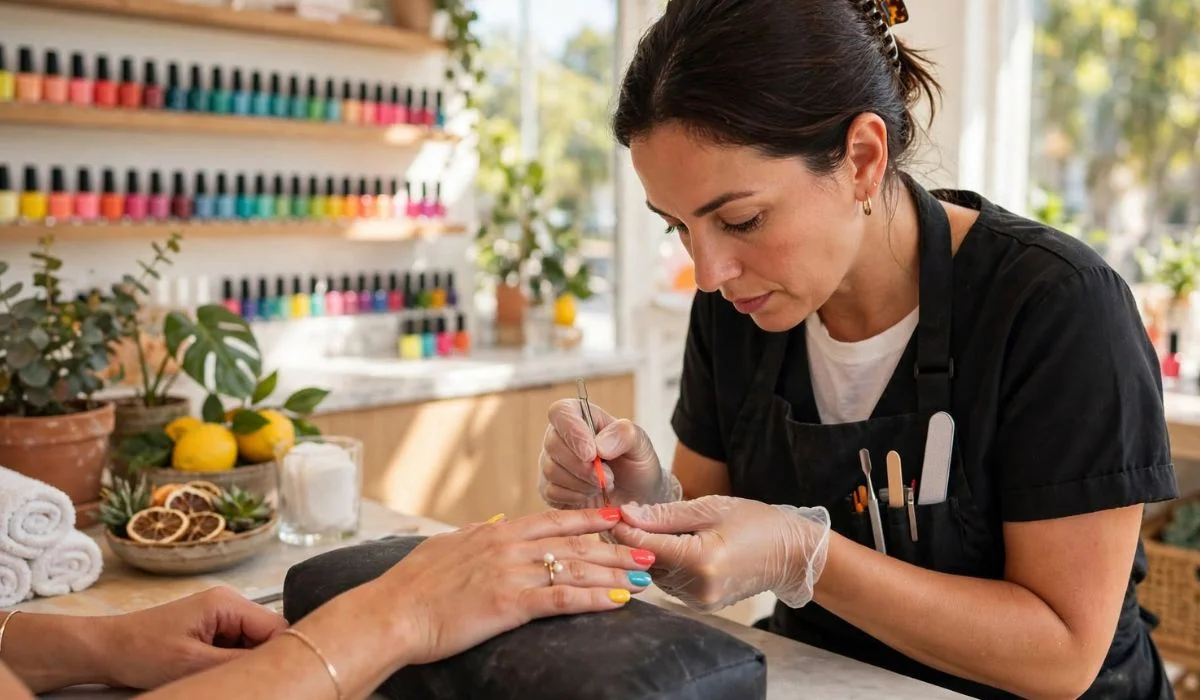
A parlour manicure is a professional nail-care service performed by a trained nail technician. The exact process varies between salons and manicure packages, but most services focus on cleaning, shaping, cuticle maintenance, moisturizing, and finishing the nails with polish.
Basic Manicure
A basic manicure is suitable when you mainly want clean, shaped, and polished nails. It typically includes nail trimming, filing, cuticle care, hand care, and regular polish.
Gel Manicure
A gel manicure uses gel polish that is cured under a suitable nail lamp. It generally provides a longer-lasting finish than traditional nail polish and is available in many colors and designs.
French Manicure
A French manicure usually combines a natural-looking base with white or colored tips. Modern versions can include thin tips, colorful tips, glitter, or chrome finishes.
Spa Manicure
A spa manicure may include additional relaxing treatments such as exfoliation, a moisturizing mask, massage, and other hand-care steps.
What Happens During a Manicure at a Parlour?
The process can vary depending on the salon and service, but a typical appointment follows several stages.
Nail Inspection and Preparation
The technician begins by looking at the nails and surrounding skin. Existing polish may be removed before the nails are prepared for the service.
Nail Trimming and Shaping
The nails are trimmed if necessary and filed into the desired shape. Common shapes include square, round, oval, almond, and squoval.
Cuticle Care
The cuticle area is gently softened and tidied. A professional should avoid aggressive cutting because the cuticle area helps protect the nail from external irritation.
Exfoliation
Some manicure services include a gentle hand scrub. Exfoliation removes surface dead skin and leaves the hands feeling smoother.
Hand Massage
A hand massage is commonly included in relaxing manicure services. Massage can make the appointment feel more comfortable while moisturizer or massage cream is applied.
Polish Application
The technician applies the selected nail color, usually using controlled coats to create an even finish. A base coat and top coat may also be used depending on the service.
Popular Manicure Styles at a Parlour
One advantage of visiting a professional is having access to many finishes and nail-art techniques.
Nude Manicure
Nude shades create a clean and versatile appearance. Choose beige, peach, pink, caramel, or a shade that complements your skin tone.
Red Manicure
A glossy red manicure is a classic option that works for everyday wear, celebrations, and formal occasions.
Chrome Nails
Chrome finishes create a reflective appearance. Silver, gold, pink, and other chrome effects can make a simple manicure look more dramatic.
Ombre Nails
Ombre designs gradually blend two or more shades. Soft nude-to-white ombre is particularly suitable when you want an elegant appearance.
Minimalist Nail Art
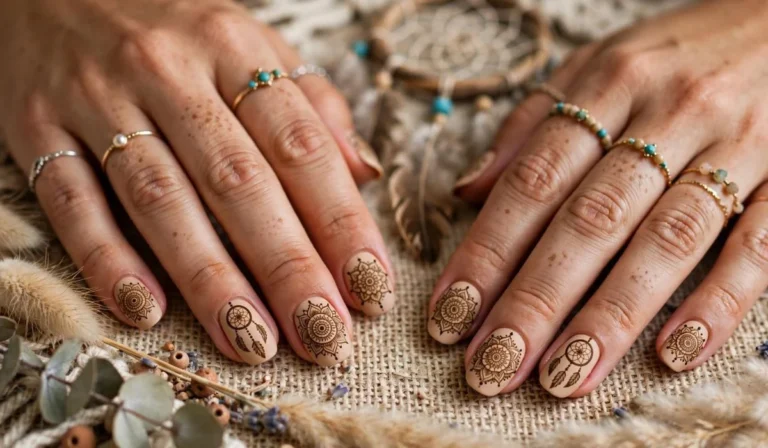
Small dots, thin lines, tiny hearts, stars, and simple shapes can add personality without creating an overly complicated design.
Seasonal Nail Art
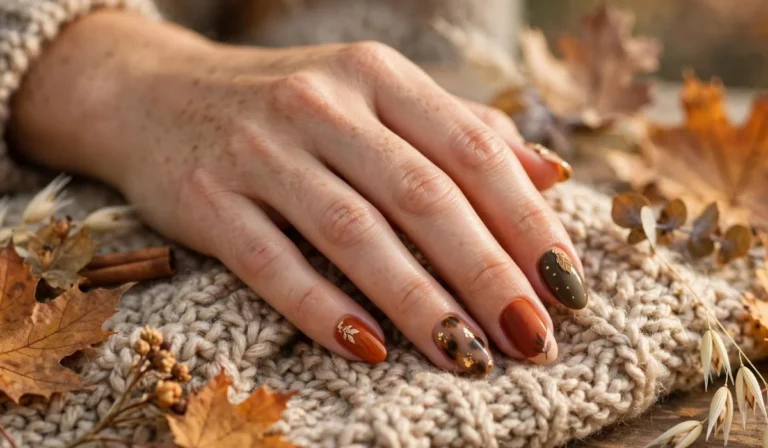
You can also choose designs inspired by the season. Flowers and pastels work well for spring, bright colors for summer, warm browns and oranges for fall, and icy or glittery designs for winter.
Choosing the Right Nail Shape
Your nail shape can change the overall appearance of a manicure. A technician can help you choose a shape based on your natural nails and preferred length.
Round Nails
Round nails follow the natural curve of the fingertip and are practical for shorter nails.
Square Nails
Square nails have straight sides and a straight free edge. They work particularly well with French tips and geometric designs.
Oval Nails
Oval nails have softly rounded sides and can create an elegant appearance without being as pointed as almond nails.
Almond Nails
Almond nails taper toward the tip and are popular for creating a longer, refined appearance.
How to Prepare Before Going to the Parlour
A little preparation can make your appointment easier and more comfortable.
Decide on Your Preferred Length
Think about whether you want short, medium, or long nails before the appointment. If you are unsure, ask the technician what length suits your natural nail shape.
Bring a Design Reference
If you want a specific nail-art style, having a reference image can make it easier to communicate the colors, pattern, and finish you want.
Avoid Picking at Your Cuticles
Do not aggressively cut or pick your cuticles before the appointment. The technician can assess and care for the area during the service.
Consider Your Daily Routine
Very long nails may not be practical if you type frequently, work with your hands, or perform activities where shorter nails are more convenient.
What to Ask Your Nail Technician
Good communication can help you get the result you actually want.
Ask About the Manicure Type
Confirm whether the service includes regular polish, gel polish, nail extensions, nail art, or additional hand treatments.
Ask About Removal
If you already have gel, acrylic, or another type of manicure, ask how it will be removed. Proper removal is important for minimizing unnecessary damage to the natural nail.
Discuss Nail Shape
Tell the technician whether you prefer almond, square, oval, round, or another shape before filing begins.
Confirm the Final Design
For detailed nail art, discuss the colors, placement, finish, and number of accent nails before the design is started.
Manicure Hygiene at a Parlour
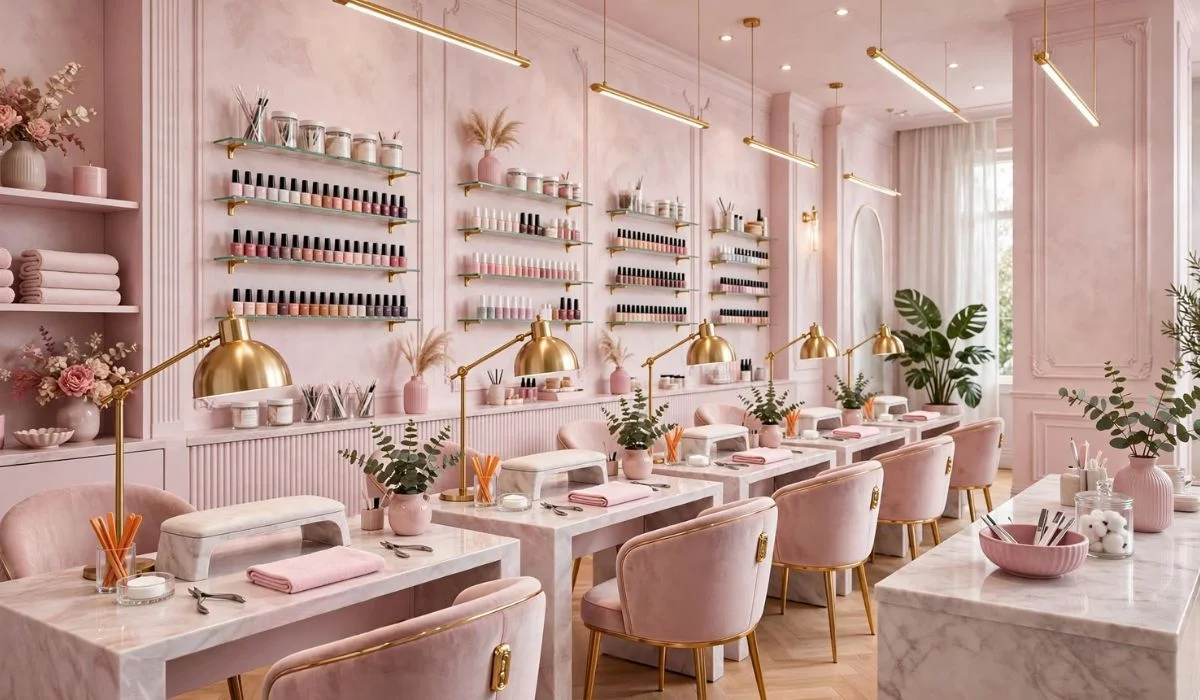
Cleanliness is one of the most important considerations when choosing a nail salon.
Check Tool Hygiene
Tools should be appropriately cleaned and disinfected according to professional hygiene practices. Single-use items should not be reused between clients.
Look at the Work Area
The manicure station should appear clean and organized. Products and tools should be handled in a way that reduces the risk of contamination.
Avoid Services on Irritated Skin
If the skin around your nails is visibly irritated, wounded, or showing signs of infection, it is better to postpone the manicure and seek appropriate professional advice.
How Long Does a Parlour Manicure Take?
The appointment time depends on the service. A simple manicure may be relatively quick, while gel manicures, spa treatments, extensions, and detailed nail art can take considerably longer.
A basic service may take around 30 to 60 minutes, while more elaborate appointments can take an hour or more.
How Often Should You Get a Parlour Manicure?
There is no universal schedule because nail growth, polish type, lifestyle, and personal preference all vary. Many people refresh their manicure every two to three weeks, while others wait longer when the nails still look presentable.
Regular breaks from certain artificial nail services may also be useful if your natural nails become thin, brittle, or irritated.
How to Make a Parlour Manicure Last Longer
Proper aftercare can help preserve the appearance of your manicure.
Moisturize Your Hands
Use hand cream regularly, especially after washing your hands. Keeping the surrounding skin moisturized helps maintain a neat appearance.
Apply Cuticle Oil
Cuticle oil can help keep the skin around the nails conditioned. Apply a small amount and massage it gently into the cuticle area.
Protect Your Nails
Wear appropriate gloves when using household cleaning products or performing tasks that involve prolonged contact with water.
Do Not Use Nails as Tools
Avoid opening containers, scratching surfaces, or picking at objects with your nails. These habits can cause chips, breaks, or lifting.
Manicure at Parlour vs. Manicure at Home
Both options have advantages.
Professional Manicure
A parlour manicure provides access to professional tools, nail shaping, specialized products, and nail-art techniques. It can also be a relaxing experience.
At-Home Manicure
An at-home manicure is convenient and can be less expensive. It works particularly well for simple nail shaping, regular polish, and basic nail maintenance.
When to Avoid a Parlour Manicure
There are situations where postponing a manicure is the safer choice.
Damaged Skin
Cuts, open wounds, or significant irritation around the nails should be allowed to heal before receiving a manicure.
Possible Nail Infection
Changes such as unusual discoloration, swelling, pain, or drainage can require professional evaluation rather than cosmetic treatment.
Severe Nail Damage
If the natural nail is severely cracked, lifted, or injured, consider getting appropriate advice before applying polish or artificial products.
Frequently Asked Questions
How much does a manicure at a parlour cost?
The price varies significantly depending on the location, salon, manicure type, products, nail length, and amount of nail art. Basic manicures generally cost less than gel, spa, extension, or detailed nail-art services.
How long does a manicure at a parlour last?
A regular polish manicure may begin showing wear within several days, while gel manicures commonly last longer. Longevity also depends on nail growth, daily activities, and aftercare.
Is getting a manicure at a parlour worth it?
For many people, yes. A professional manicure can provide precise shaping, cuticle care, polished application, and access to designs or finishes that may be difficult to achieve at home.
What should I get for my first manicure?
A basic manicure with a simple nude, pink, red, or French design is a good starting point. If you want longer-lasting color, you can ask about gel polish.
Can I bring my own nail polish?
Many salons allow clients to bring their own polish, although policies differ. Ask the salon before your appointment if you prefer to use a specific product.
Should I cut my nails before going to the parlour?
Usually, there is no need to cut them beforehand. The technician can trim and shape them according to your preferred length.
How often should I get my nails done professionally?
Many people schedule a manicure every two to three weeks, but the ideal timing depends on how quickly your nails grow and how well the manicure remains intact.
What is the best manicure for short nails?
Short nails can look excellent with nude polish, glossy colors, micro French tips, minimalist designs, and small decorative details.